
Iran Israel War 2026: Latest Updates, Global Impact & What Happens Next
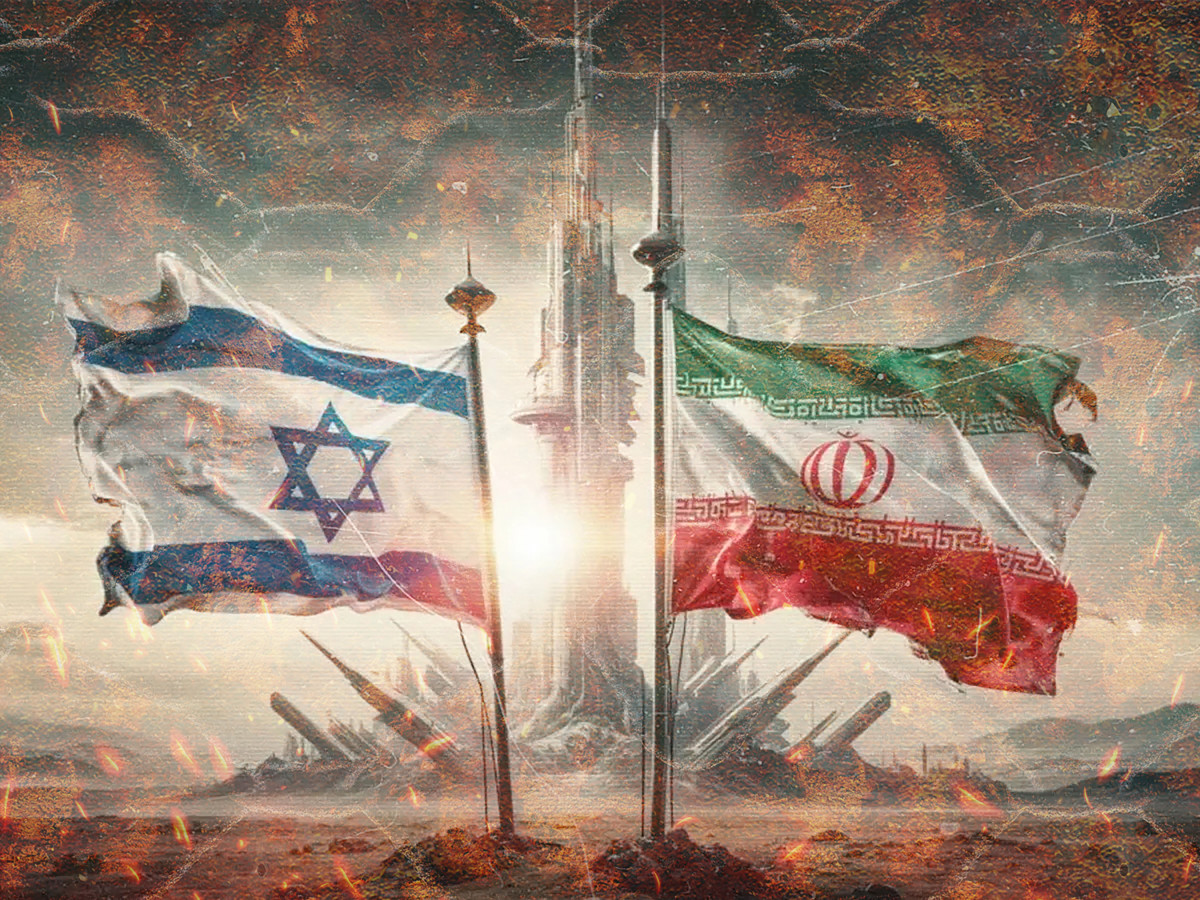
This live Iran vs Israel War Update is based on verified reports from international media, defense analysts, and regional sources. We continue to update this page as the Iran Israel conflict latest news develops.
The Iran-Israel War 2026 has rapidly escalated into one of the most dangerous conflicts in recent Middle East history. What began as targeted airstrikes has now expanded into a regional confrontation involving the United States, Lebanon, Gulf nations, and global powers.
In just four days, the Iran vs Israel War Update shows thousands of air missions, missile launches, drone attacks, and heavy civilian casualties. Oil markets are shaking. Airspaces are closing. Governments are evacuating citizens.
This isn’t just another regional flare-up.
It’s reshaping global politics in real time.
How the Iran-Israel War 2026 Started
The Iran-Israel War 2026 intensified after coordinated US-Israeli strikes targeted Iranian military leadership, nuclear-linked facilities, and Revolutionary Guard infrastructure. Israeli forces also struck compounds connected to Iran’s Assembly of Experts — the body responsible for selecting the next Supreme Leader.
Iran responded fast.
Ballistic missiles. Drone swarms. Regional retaliation.
Within hours, US bases in Qatar and Saudi Arabia reported strikes. The Al Udeid Air Base — the largest US military installation in the Middle East — was hit by a ballistic missile, though officials reported no casualties.
Iran launched over 500 ballistic missiles and more than 2,000 drones in the first wave of retaliation.
Meanwhile, the US claims it has destroyed 17 Iranian naval vessels, including a submarine.
This isn’t symbolic warfare.
This is a large-scale military engagement.
Civilian Impact and Rising Casualties
The humanitarian toll is rising quickly.
Human rights groups report over 1,000 civilians killed inside Iran, including children. Thousands more are injured. Strikes have damaged hospitals, judicial complexes, intelligence headquarters, and residential areas in Tehran.
Lebanon has also suffered heavily. Israeli strikes targeting Hezbollah positions have killed dozens and displaced tens of thousands.
Paramedics and health workers are among the casualties.
The United Nations has warned that the widening Iran-Israel conflict latest news suggests, humanitarian systems are struggling to cope. Airspace closures are limiting aid access.
And that’s just the beginning.
According to reports by Reuters, tanker movement in the Strait of Hormuz has sharply declined
Strait of Hormuz Crisis: The Global Energy Shock
If you want to understand why this conflict matters globally, look at one place:
The Strait of Hormuz.
Nearly 20% of global oil flows through this narrow waterway. Since the start of the Iran Israel War 2026, traffic has nearly collapsed.
Normally, about 60 oil tankers pass daily.
Now?
Only two transited in a 24-hour period.
Insurance companies have pulled war coverage. Tanker rates have surged. Oil prices have jumped sharply. Asian markets plunged:
- South Korea is down over 12%
- Japan is down nearly 5%
- Hong Kong down over 3%
Gasoline prices in the US saw their biggest one-day spike since 2005.
When oil stops moving, the world feels it immediately.
US Political Divide Over the War
Back in Washington, the conflict is creating intense debate.
Some lawmakers support targeted strikes, arguing they weaken Iran’s military capability.
Others warn of an “endless war.”
Congress did not formally authorize the operation, which has triggered war powers debates. Some senators worry that US munitions stockpiles are depleting quickly.
One senator described it as a “math problem.”
Iran produces drones and missiles in large numbers. The US must constantly intercept them.
That costs money. A lot of it.
And no one has clearly defined the endgame.
Regional Fallout: Lebanon, Syria, and Gulf States
The Iran vs Israel War Update now extends beyond two countries.
Israel has expanded strikes into southern Lebanon, targeting Hezbollah infrastructure. Evacuation orders have forced civilians to flee dozens of villages.
Syria has reinforced its borders to prevent spillover.
Qatar arrested suspects allegedly linked to Iran’s Revolutionary Guard.
Saudi Arabia intercepted cruise missiles near major airbases.
Kuwait shot down aerial threats, though falling debris tragically killed an 11-year-old girl.
This is no longer a contained conflict.
It’s a regional chain reaction.
Kurdish Uprising and Regime Pressure in Iran
One of the most explosive developments involves Kurdish opposition forces.
Reports indicate discussions between US officials and Kurdish groups about potential support for internal uprisings. Iranian Kurdish militias have hinted at ground operations in western Iran.
If internal unrest escalates while external strikes continue, the pressure on Iran’s leadership could intensify dramatically.
At the same time, Iran’s Assembly of Experts is reportedly in the final stages of selecting a new Supreme Leader.
Leadership transition during active war?
That adds another layer of instability.
Airspace Shutdowns and Global Evacuations
Travel across the Middle East has been heavily disrupted.
The US has closed embassies in multiple countries. Over 1,500 Americans have requested evacuation assistance. European nations, including France, Italy, and the UK, are running emergency evacuation flights.
Israel is gradually reopening limited airspace to bring citizens home.
Tourists who expected a holiday found themselves in a war zone.
Some Americans living in the Gulf say they trust local governments more than Washington’s response.
That tells you something.
China and Europe Position Themselves Carefully
China has called for immediate de-escalation while quietly benefiting from oil stabilization efforts. As the world’s largest importer of crude — including Iranian oil — Beijing watches closely.
European leaders criticize unilateral military action but also condemn Iranian retaliation.
Everyone wants stability.
No one wants a full-scale regional war.
What Happens Next?
Here’s the uncomfortable truth:
No one knows.
US officials say operations could last weeks. Some lawmakers fear months. Others worry about ground troop deployment.
Iran vows continued retaliation.
Israel promises expanded strikes.
The Iran Israel conflict latest news changes hourly.
If the Strait of Hormuz remains disrupted, global recession risks rise. If Lebanon fully enters the war, Israel faces a northern front. If Kurdish forces move inside Iran, internal instability could spike.
And if diplomacy doesn’t resume soon?
The Middle East may face its most volatile period in decades.
Final Analysis: Why the Iran Israel War 2026 Matters Globally
The Iran Israel War 2026 is not just another headline.
It affects:
- Oil prices
- Global markets
- International law
- US domestic politics
- Middle East stability
- Global shipping routes
Wars today don’t stay local.
They ripple outward.
Right now, the world watches missile interceptions over Tel Aviv, drone strikes in the Gulf, tankers stalled in Hormuz, and diplomats scrambling behind closed doors.
The coming days will determine whether this remains a limited high-intensity conflict — or evolves into something far larger.
Stay alert.
History is unfolding fast.
Frequently Asked Questions (FAQs)
What triggered the Iran Israel War 2026?
The Iran Israel War 2026 escalated after coordinated Israeli and US strikes on Iranian military and nuclear-linked facilities. Iran responded with missile and drone attacks, widening the conflict across the region.
Is the Strait of Hormuz closed?
The Strait of Hormuz is not officially closed, but tanker traffic has dropped significantly due to security risks and rising insurance costs.
Is the United States directly involved?
Yes. The US has conducted targeted strikes and reinforced military bases in the region, though Congress debates the scope of involvement.
How is the war affecting global oil prices?
Oil prices have surged due to shipping disruptions in the Strait of Hormuz. Markets in Asia and Europe have also reacted sharply.
Could this conflict spread further?
Yes. If Hezbollah, Syria, or Gulf states expand involvement, the conflict could escalate into a broader regional war.